|
|
|
|
Traditional biomanufacturing relies on unpredictable host cell machinery, forcing a compromise between protein yield and glycan consistency. Discover how In Vitro Glycoengineering (IVGE) moves glycosylation to a precise, post-production enzymatic step.
|
|
|
|
|
A one-size-fits-all approach to biomanufacturing often falls short when optimizing a drug's therapeutic window. Learn how IVGE is utilized to intentionally engineer specific glycan profiles, such as enriching terminal sialylation to extend serum half-life or modulating fucose for enhanced ADCC activity, without complex cell-line engineering.
|
|
|
|
|
Review the technical data demonstrating the efficacy of IVGE on IgG1 and IgG4 antibodies. This application note details the robust conversion rates using high-purity beta-1,4-Galactosyltransferase and alpha-2,6-Sialyltransferase, proving scalability from milligram to gram quantities.
|
|
|
|
|
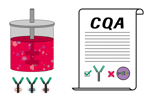
Variations in glycosylation can impact your therapeutic protein's safety and efficacy. Take control of this critical quality attribute with in vitro glycoengineering for predictable outcomes.
|
|
|
|
|
Integrating a new technology requires mitigating regulatory and financial risks. Explore a phased, three-step integration framework for adopting IVGE, from lab-scale optimization to commercial readiness, while addressing critical concerns regarding enzyme clearance and Quality by Design (QbD).
|
|
|
|
|
|
|
Watch how separating fermentation from terminal glycosylation allows you to maximize bioreactor titer without sacrificing critical quality attributes. This video explores the time and cost-saving benefits of downstream glycan remodeling, including increasing protein yield by 60%.
|
|
|